
Ship Recycling and the Circular Economy: Keeping Steel in Productive Use
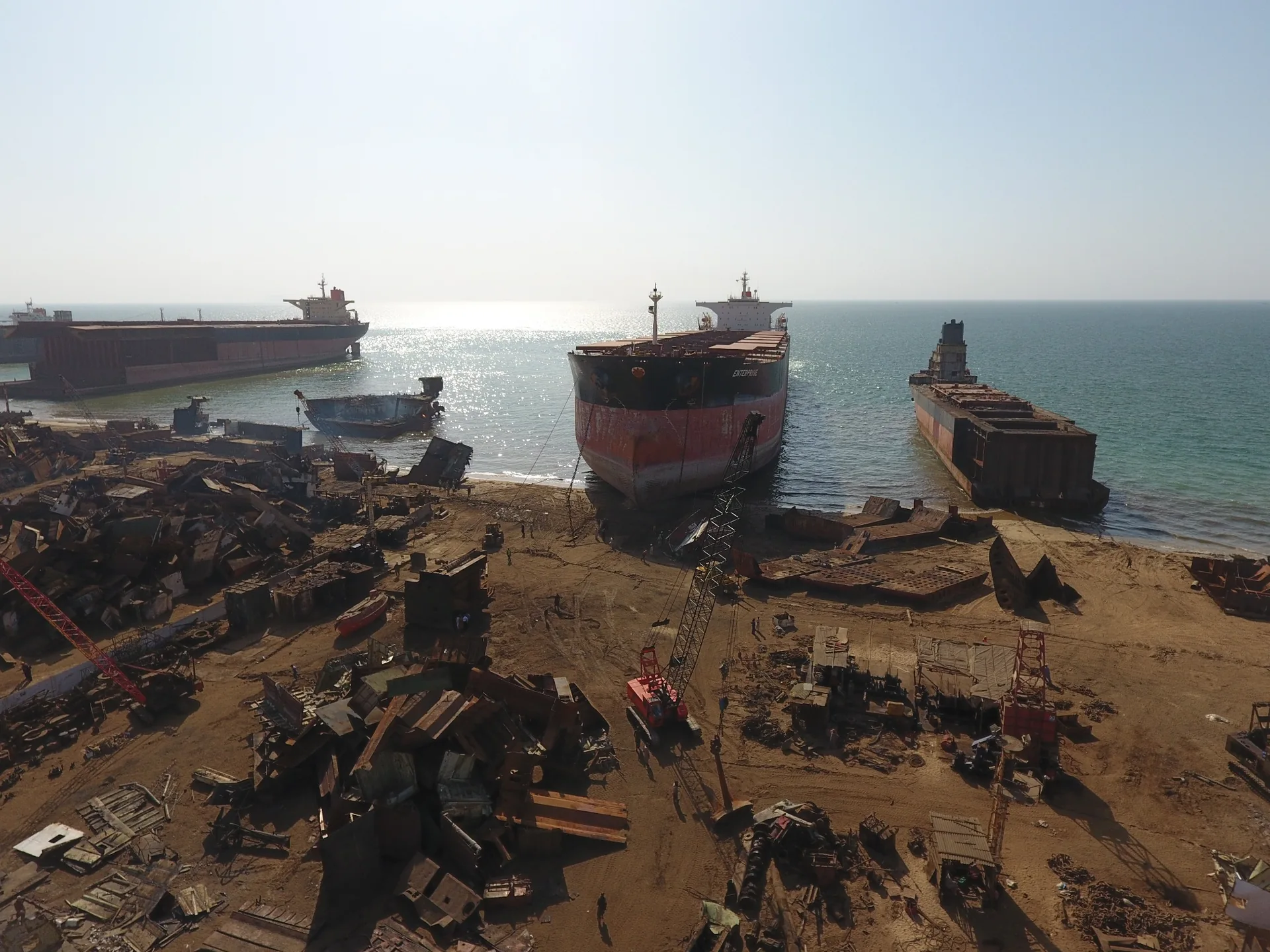
Steel recovery
Recovered steel can return to manufacturing and processing supply chains. It requires appropriate sorting, inspection and processing to meet the needs of its next use.
Hazardous materials
Ships can contain asbestos, oils, chemicals, refrigerants, batteries and other potentially hazardous materials. Identification and removal require trained personnel, suitable protective equipment, containment and documented handling.
Traceability
A responsible chain records what is removed, how it is classified and where it is sent. Traceability supports accountability beyond the recycling facility.
For general information only. Confirm project-specific engineering, safety, legal and quality requirements with qualified professionals and applicable standards.
What information would help your team decide whether recovered ship steel is suitable for its next use?
Start with the material’s classification, condition and intended next use. The article also points to sorting and inspection, which help determine whether further processing is needed.