
Steel Re-Rolling Explained: From Billets to Reinforcing Bars
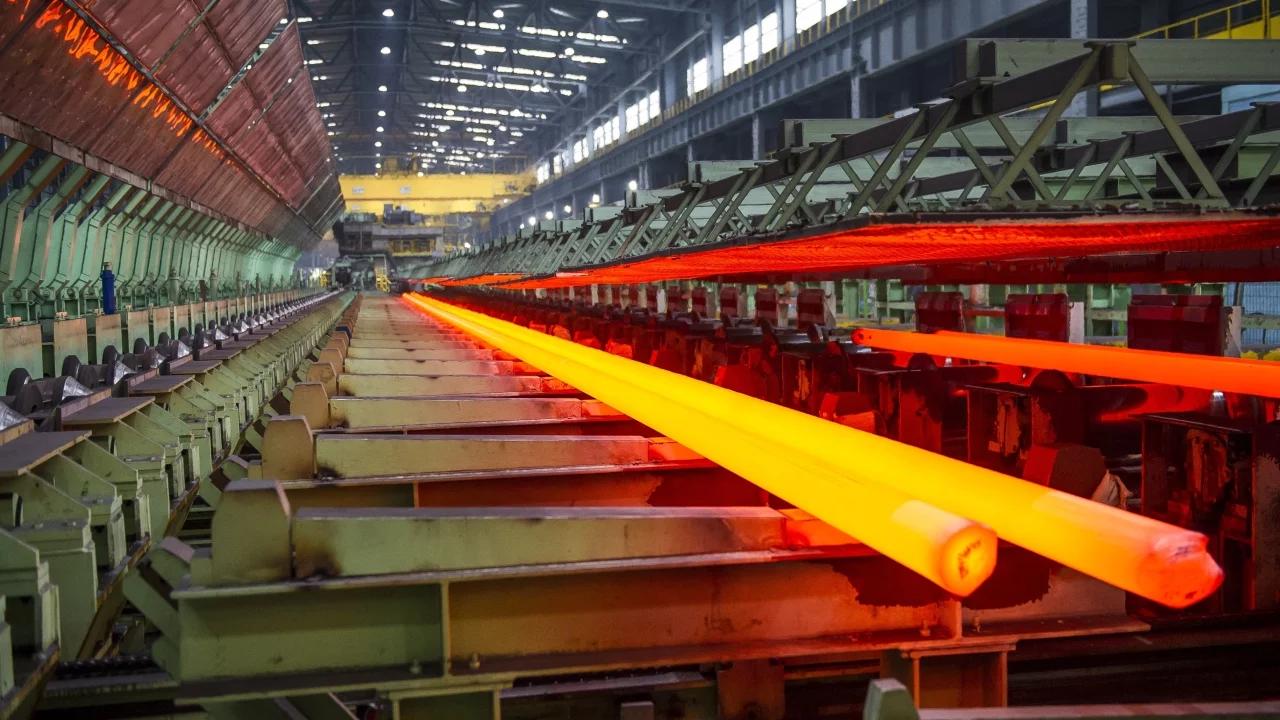
Billet inspection and reheating
Production starts with billets of a specified grade and size. Identification, dimensions and visible surface condition should be checked before heating. Billets are heated in a reheating furnace to a temperature suitable for rolling.
Rolling and sizing
The heated billet passes through grooved rolls. Each stand reduces the cross-section and forms the required profile. Pass design, roll condition, alignment and speed coordination influence dimensional accuracy and surface finish.
Cooling and quality testing
After rolling, bars are cooled, cut, bundled and tagged. Depending on the applicable specification, checks may include dimensions, mass per metre, tensile properties, elongation and bend or rebend testing.
For general information only. Confirm project-specific engineering, safety, legal and quality requirements with qualified professionals and applicable standards.
During re-rolling, which check gives your team the earliest warning that a batch might fall outside the required dimensions?
A dimensions check at the finishing and inspection stage can flag bars that fall outside specification. The article places this check before bundling and dispatch.